Going underground: proposal for higher taxation risks fuelling tobacco thefts in Europe
Rising prices are stimulating buoyant ‘black market’ demand for everyday products and luxury goods, bringing rich rewards for organised crime groups involved in cargo thefts and illicit trade, and placing legitimate supply chains under unprecedented pressure. Now, as the EU proposes a new, higher taxation on tobacco products, questions are being asked as to whether their justification adds up?
In the world of supply chain security, there’s a simple rule of thumb; anything that makes a product more costly to buy legitimately makes it more desirable to criminals and more sought after on the black market by some consumers.
Over the last two years, the Ukraine war, disruption in the Suez Canal, and the rising cost of living are just some of the global events which have increased pressure on the supply of raw materials and finished goods in many countries. Fuel thefts are one example of how this plays out. Rising prices at petrol pumps have made ‘fuel theft’ one of the biggest incident categories for losses recorded by TAPA in the Europe, Middle East & Africa region, ranging from crimes by organised groups involving hundreds of thousands of euros of fuel stolen from storage depots to 100-200 litres at a time being siphoned off commercial vehicles’ fuel tanks by individual offenders, probably for their own personal use.
Rising prices have heightened the threat across many product lines. Cargo thefts of everyday items like food and drink, clothing and footwear, and cosmetics are also regularly reported to TAPA EMEA as organised crime groups and others look to satisfy a supply and demand equation where an increasingly large number of customers won’t ask too many questions if they’re offered a product they want or need at well below the retail market price.
And it’s not just rising costs of raw materials that are forcing up prices. Taxation is playing a role too and causing growing concerns among supply chain security stakeholders that this will further stimulate an already buoyant black market and lead to a higher rate of cargo thefts of specific product types.
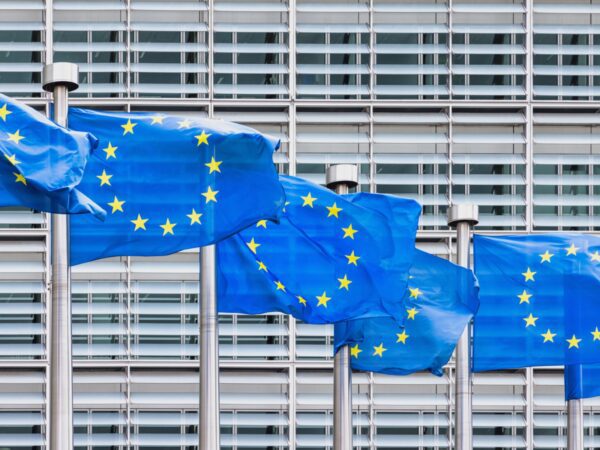
This sentiment lies behind concerns for the tobacco industry over a proposed revision to the Tobacco Taxation Directive – intended to come into force on 1 January 2028 – which would also extend their scope to cover new product types. The EU points to meeting its health priorities, believing tobacco taxation to be the most cost-effective instrument to reduce tobacco consumption and prevalence. But, on paper at least, the changes could also generate an estimated €15 billion in additional annual tax revenue, reports suggest.
From a supply chain security perspective, there are concerns that the proposed steep increases in tobacco excise taxes will unintentionally fuel the growth of the black market. Evidence from law enforcement agencies, media reports, and international organisations shows that extreme public policy can create fertile ground for the activities of organised criminal networks to thrive.
Significantly higher prices not only accelerate the audience size of ‘black market shoppers,’ they nurture more ‘crime group suppliers’ who use their agility and networks to target goods with the easiest, biggest, and quickest market potential. That will almost certainly mean more criminal attacks on legitimate, compliant tobacco supply chains as well as a rapid acceleration of illicit products. This then brings into question whether the EU’s intended public health and fiscal objectives are realistic.
Recent data from Europol and KPMG indicate that illicit trade in tobacco products has surged in high-tax jurisdictions such as France and the Netherlands. In 2024, France lost €9.4 billion in tax revenue due to illicit cigarette consumption, which accounted for 37.6% of total national consumption. The Netherlands saw illicit consumption triple in one year, reaching 18% of total cigarette consumption and €900 million in lost revenue. These trends are echoed in media coverage across Europe, including statements from the Portuguese government warning that the proposed tax hikes will directly incentivise illegal trade and destabilise legitimate markets.
A KPMG report published last year on illicit tobacco trade in the European Union stated: “In 2024, 38.9 billion illicit cigarettes were consumed in the region – the highest level since 2015 – accounting for 9.2% of total cigarette consumption, with governments losing as much as €14.9 billion in tax revenues at a time when many countries face intense economic pressures.”
They also recognised that organised crime groups involved in illicit cigarette production and distribution are relocating production closer to end markets to cut costs and improve efficiency, stating: “By diversifying transportation routes and methods, including the use of rail, air freight, and drones, they minimise detection risks.”
The Commission’s own impact assessment also acknowledges that such measures could encourage illicit activity. The EU Serious and Organised Crime Threat Assessment (EU-SOCTA) states: “The illicit production of counterfeit tobacco products in the EU has grown. Illicit production facilities have been discovered in almost all Member States. This increase has been driven by a combination of factors, including the disruption of supply chains by crisis situations, improved security in the trade of original branded cigarettes, high and rising excise duties and taxes, and the increased capacity of illicit factories due to the availability of multiple production lines in one location.”
For legitimate supply chains, rising rates of tax cause another disruptive impact.
Abrupt fiscal shocks have been seen to not only penalise compliant businesses but also jeopardise the integrity of logistics networks, from growers and manufacturers to retailers. Higher taxes risk destabilising legal markets, reducing product availability, and exposing consumers to inferior, unregulated goods, some observers believe.
Campaigners against higher taxes also highlight that illicit trade deprives governments of critical tax revenues, reducing their ability to invest in key areas such as energy, defence, infrastructure, and public health. This, in turn, can bring economic pressures, threatening jobs in legitimate supply chains and undermining competitiveness.
In the case of tobacco, some stakeholders argue that extreme policymaking, such as steep and abrupt taxation, does not eliminate demand – it just shifts it underground to the black market. From a public health standpoint, it may also endanger consumers by exposing them to inferior, noncompliant products, fuelled by criminal organisations. Europol, the law enforcement agency of the European Union, has warned that criminal networks involved in excise fraud are also likely to shift their operations to a broader range of excise products, including counterfeit vapes and e-cigarettes.
So, what’s a viable solution? Evidence from countries like Greece, Italy, Poland, Portugal, and Ukraine shows that predictable fiscal regimes, considerate product regulation, and strict law enforcement are effective in curbing illicit trade.
The tobacco industry is calling on the EU to adopt a balanced approach, learning from successful models that combine fiscal predictability, effective regulation, and strong enforcement. It recommends avoiding excessive and abrupt excise increases, pairing taxation with strong enforcement and deterrent penalties, focusing on improving the integrity of legitimate supply chains, and tackling organised crime rather than penalising compliant businesses, recognising that smoke-free products are also vulnerable to illicit trade if overtaxed or poorly regulated.
While both sides of the argument continue to play out to influence the eventual outcome, legitimate producers in other sectors will no doubt be starting to worry that their industry might be next. If higher taxation is seen as a route to improve public health, consumers who eat too much, drink too much, or who over-indulge in pharmaceutical products as a quick and easy way to achieve their health goals may end up supporting the case for higher taxation in these markets, too.
Today, it’s tobacco. What might be next? Businesses will be closely monitoring the debate in Brussels.
They’ll be joined by organised crime groups – the potentially biggest winners of all.
REGULAR, HIGH VALUE INCIDENTS
Examples of tobacco thefts from supply chains reported to TAPA EMEA in 2025…
- €5,500,000 – Counterfeit cigarettes intercepted at a Maritime Facility in Bielefeld, Germany
- €3,000,000 – Cigarettes stolen from a truck in an unsecured parking in Nantes, France
- €1,000,000 – Cigarettes taken from a Railway Operation Facility in Romania
- €1,000,000 – Police intercepted a crime group targeting freight trains leaving Poland for Germany, responsible for thefts of millions of cigarettes over a 4-year period
- €700,000 – Violent truck hijacking to steal cigarettes from a vehicle en route in France
- €536,000 – Cigarettes stolen from a Retail Store in Switzerland
- €400,000 – Counterfeit cigarettes recovered from a Destination Facility in Dudley in the United Kingdom
- € 222,853 – Cigars stolen from a truck parked in an unsecured location in Maastricht, the Netherlands
- €100,000 – Cigarettes taken from a Railway Freight facility in Poland
TAPA EMEA has recorded counterfeit goods and cigarette thefts from supply chains in 32 countries in Europe, the Middle East & Africa in the past 2 years. Major cargo thefts of tobacco products with a value of €100K or more averaged €920,798 in the last two years, according to TAPA EMEA Intelligence System (TIS) data.